
Trauma & Recreation
At the intersection of trauma and recreation, we explore how engaging with natural and physical activities can serve as powerful pathways to healing. Trauma-informed recreation recognizes that certain environments and activities—such as yoga, hiking, scuba diving, skiing, swimming, river rafting, or floating—offer unique opportunities for individuals to reconnect with themselves and the present moment.
These activities promote mindfulness, grounding, and a sense of safety, which are essential for trauma recovery. For example, yoga encourages self-awareness and gentle body awareness that can help release stored tension and emotional pain. Being outdoors through hiking or swimming can foster a sense of freedom and connection to nature, facilitating emotional processing. Scuba diving immerses individuals in a tranquil underwater world that can evoke feelings of serenity and wonder. Similarly, river rafting and floating in water provide immersive experiences that promote relaxation and mindfulness, helping to reduce stress and foster resilience.
However, it’s important to acknowledge that these spaces are not immune to harm. Sexual violence and harassment have been reported in outdoor and recreational settings, often linked with social dynamics or alcohol consumption. These issues are complex and pervasive, highlighting the need for trauma-informed approaches that prioritize safety and respect without victim-blaming. Recognizing these risks allows us to create environments where healing and safety are prioritized for all participants.
We provide specialized training for the outdoor and recreation industries to approach these environments through a trauma-informed lens. Our programs focus on understanding trauma, recognizing signs of distress, and leveraging recreational spaces to foster post-traumatic growth.
Potential Risks and the Need for Preparedness
While recreation can be healing, it also carries inherent risks. Any activity—whether minor or severe—can result in injury, or in tragic cases, death. Trauma can also arise from witnessing or experiencing accidents involving friends, family, or fellow participants.
Recognizing this potential, our training equips industry professionals with the skills to respond appropriately to critical incidents, including trauma debriefing and managing the emotional aftermath.
We aim to expand the healing possibilities within recreational spaces while ensuring safety and compassion are central to every experience.

General Training for the Recreational and Outdoor Community

Critical Incident Stress Debriefing
Training on Critical Incident Stress Debriefing (CISD) is essential for recreational and outdoor community businesses because it equips staff and leadership with the skills to effectively support individuals experiencing traumatic events. In environments where outdoor activities and recreational pursuits are involved, unexpected incidents—such as accidents, injuries, or emergencies—can occur, impacting participants’ mental and emotional well-being. By understanding how to conduct timely and compassionate debriefings, businesses can help mitigate long-term psychological effects, promote resilience, and foster a safer, more supportive community atmosphere.
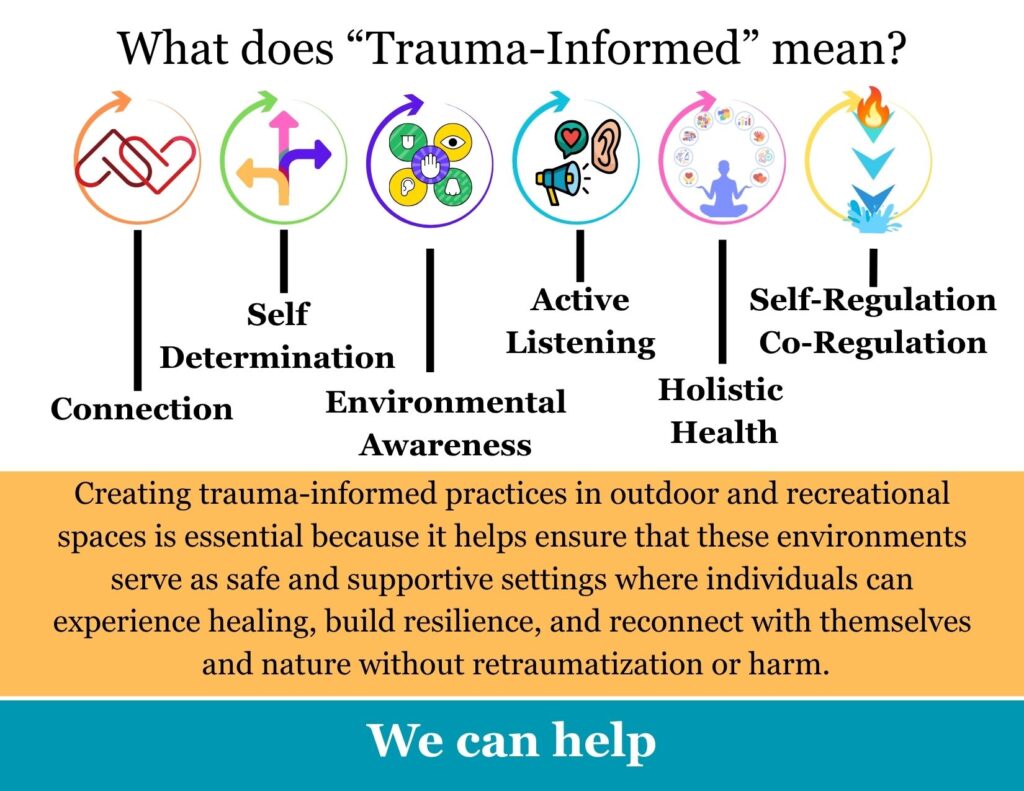
Trauma-Informed Recreation
Creating trauma-informed recreational and outdoor spaces is vital for fostering inclusive, safe, and healing environments for all community members. These spaces are designed with awareness of trauma’s impact, ensuring that activities and facilities prioritize emotional safety, accessibility, and support. By adopting trauma-informed principles, organizations can help reduce triggers, promote trust, and encourage participation for individuals who have experienced trauma. This approach not only enhances overall well-being and resilience but also cultivates a sense of belonging and empowerment within outdoor and recreational communities.
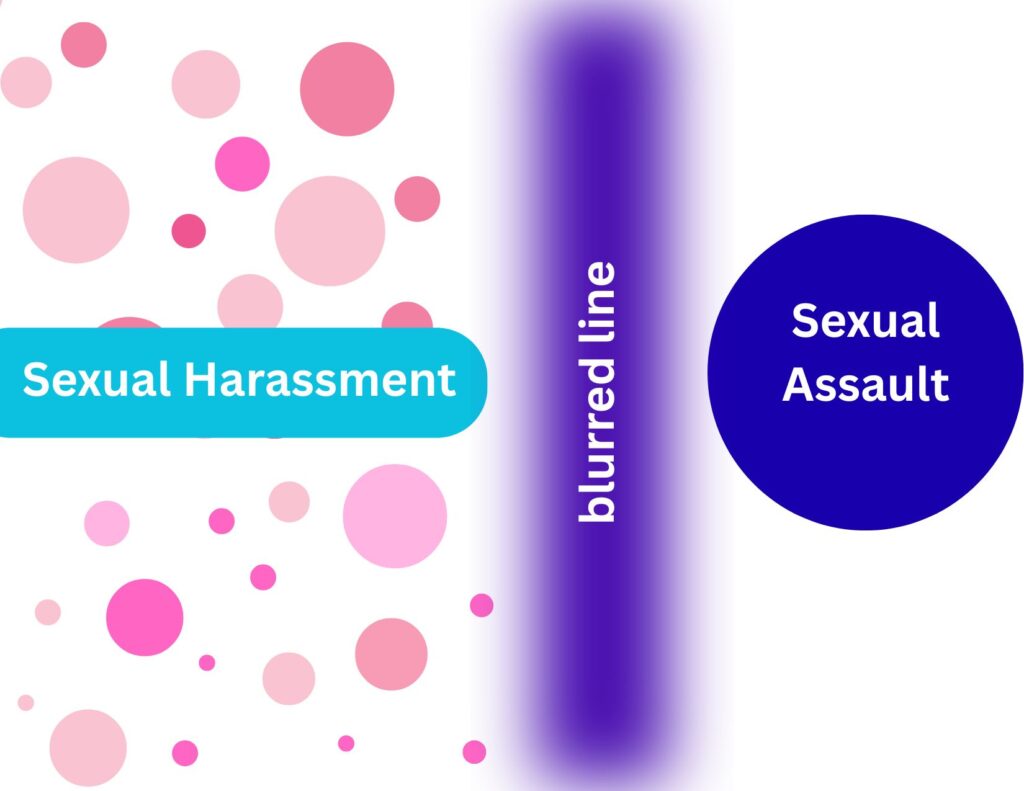
From Sexual Harassment to Sexual Assault
Training on the blurred lines between sexual harassment and sexual assault is crucial for fostering a clear understanding of respectful boundaries and appropriate behavior. Recognizing the subtle distinctions helps individuals and organizations prevent misconduct, respond appropriately to concerns, and create a safer, more respectful environment. This training emphasizes the importance of consent, awareness of power dynamics, and the impact of seemingly minor behaviors that can escalate or cause harm. By understanding these nuances, organizations can promote a culture of accountability, reduce incidents of misconduct, and ensure that everyone feels safe, valued, and protected.

Investigating Complicated Reports
Preparing to conduct internal investigations—or hiring an external expert—when addressing sexual harassment or discrimination reports is essential for ensuring a fair, thorough, and impartial process. Proper investigation procedures help uncover facts, protect the rights of all parties involved, and demonstrate a genuine commitment to a respectful and safe workplace. This training will help you have a plan in place so that you will be ready to respond in a trauma informed way to a report of sexual harassment or discriminiation.

Fostering A Sense of Belonging
Taking an intersectional approach to creating access and fostering inclusive belonging in outdoor spaces is essential for ensuring that all members of our diverse community feel welcomed, valued, and supported. By recognizing how different identities—such as race, gender, ability, socioeconomic status, and more—intersect and influence individuals’ experiences, organizations can address barriers and promote equity more effectively. This equitable approach helps to create outdoor environments where everyone can participate fully, feel safe, and connect with nature, regardless of their background or circumstances.